Artificial intelligence is no longer limited to dashboards, chatbots, or isolated automations. A new capability is emerging at the heart of modern operations: AI agents – intelligent, goal-driven systems that can plan, act, learn, and collaborate across workflows.
Unlike traditional automation, which follows predefined rules, AI agents operate with context and intent. They don’t just execute tasks, they coordinate work, adapt to change, and continuously optimize outcomes. The result is a fundamental shift in how businesses run operations and create value.
From Task Automation to Autonomous Operations
Most organizations began their AI journey by automating individual tasks: routing tickets, extracting data, generating reports. While valuable, these efforts often remained fragmented and dependent on human oversight.
AI agents take the next step. They are designed to:
- Understand objectives (not just instructions)
- Orchestrate multiple systems and processes
- Make decisions within defined guardrails
- Learn from outcomes and adjust behavior over time
In operational terms, this means moving from automation of work to autonomy in work (where systems proactively manage complexity instead of reacting to it).

How AI Agents Are Transforming Core Operations
1. Intelligent Workflow Orchestration
AI agents can manage end-to-end workflows across departments and systems. Rather than handing off work between siloed tools, agents dynamically coordinate tasks, prioritize actions, and resolve dependencies in real time.
Impact:
- Faster cycle times
- Fewer handoff delays and errors
- Operations that adapt instantly to changing conditions
2. Proactive Issue Detection and Resolution
Instead of waiting for problems to surface, AI agents continuously monitor operational signals (capacity, demand, quality, risk) and act before issues escalate.
They can:
- Predict bottlenecks and failures
- Trigger corrective actions automatically
- Escalate only when human judgment is required
Impact:
- Reduced downtime and disruption
- Higher service levels
- More resilient operations

3. Smarter Resource Allocation
AI agents evaluate demand, constraints, and performance data in real time to allocate people, capital, and assets where they deliver the most value.
This enables:
- Dynamic staffing and scheduling
- Optimized inventory and supply chains
- Better utilization of high-cost resources
Impact:
- Lower operating costs
- Improved productivity
- Faster response to market shifts
4. Decision Support at the Point of Action
AI agents don’t replace leaders or frontline teams, they augment them.
By synthesizing vast amounts of data and presenting recommendations in context, agents enable better decisions where work actually happens. In many cases, they can act autonomously within predefined thresholds and seek human input only when trade-offs or risks increase.
Impact:
- Faster, more consistent decisions
- Reduced cognitive load on teams
- Stronger alignment between strategy and execution
5. Continuous Operational Improvement
AI agents learn from outcomes. Every decision, action, and result feeds back into the system creating a continuous loop of improvement.
Over time, operations become:
- More efficient without constant redesign
- More adaptive without constant intervention
- More aligned to business objectives
Impact:
- Sustained performance gains
- Less reliance on periodic transformation programs
- Operations that improve as they run

The Human Impact: Elevating Work, Not Eliminating It
One of the most important benefits of AI agents is their effect on people.
By absorbing routine coordination, monitoring, and analysis, agents free employees to focus on higher-value work: problem-solving, innovation, customer relationships, and judgment-based decisions.
Organizations that succeed with AI agents treat them as teammates, not replacements, embedding change management, trust, and transparency into deployment.
The result:
- Higher adoption and engagement
- Better collaboration between humans and machines
- A workforce focused on impact, not busywork
Why AI Agents Are Becoming a Strategic Advantage
As markets become more volatile and complex, traditional operating models struggle to keep up. Manual coordination, static processes, and delayed insights create friction and risk.
AI agents offer a different path: operations that are intelligent, adaptive, and continuously optimized by design.
Organizations using AI agents effectively are seeing:
- Faster execution of strategy
- Greater operational resilience
- Measurable improvements in cost, quality, and speed
Most importantly, they are turning AI from a series of pilots into a durable operational capability.
The Bottom Line
AI agents are not just another layer of automation, they represent a new operating paradigm.
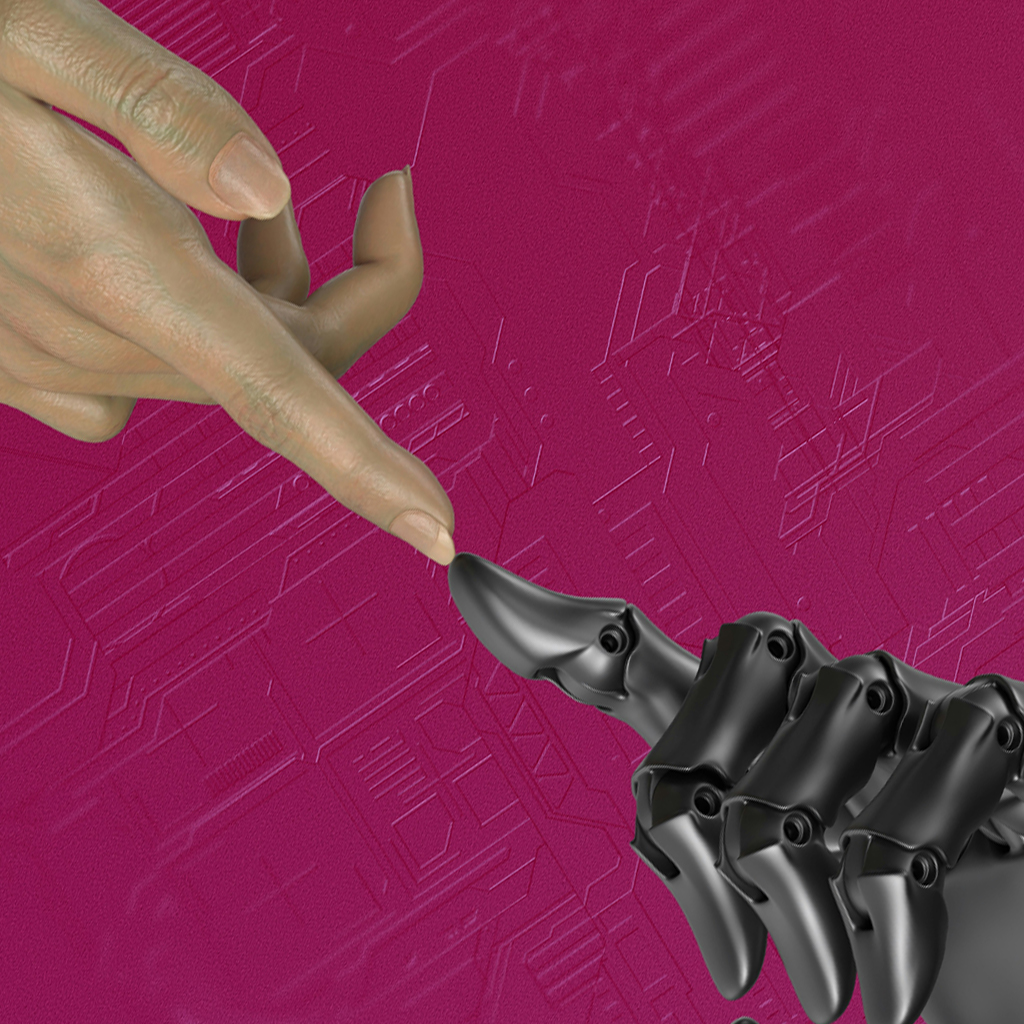
By combining machine intelligence with human judgment, businesses can run operations that sense, decide, and act in real time, at a scale and speed that was previously impossible.
For leaders, the question is no longer if AI agents will reshape operations, but how intentionally they are deployed to drive lasting business value.
Engage Implement AI Employees in an executive briefing to identify where AI agents will deliver the greatest operational impact.